


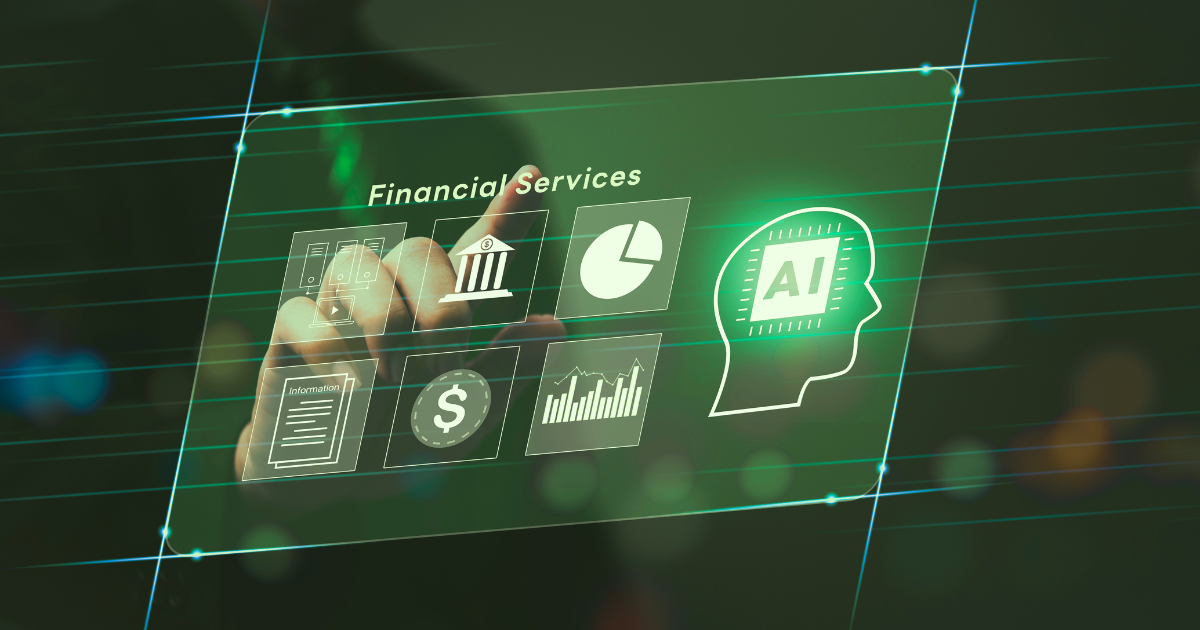
For years, accounting technology stood still. Now AI is driving the biggest shift our profession has seen in decades.
After attending the AI in Accounting Summit in Chicago, Donovan CPAs’ Elisa Skees and Trinity Ellis came back with insights and ideas that could shape the future of accounting.
Here are their biggest takeaways.
1. AI Is Pushing the Profession Forward
Accounting has traditionally been slow to adopt new technology, often relying on legacy providers who kept systems closed off from outside integrations. AI is breaking down those walls.
“AI is forcing us out of our comfort zone,” Elisa said. “It’s making our technology providers open up, integrate, and evolve.” Trinity has seen more new software demos in recent weeks than in his entire career, many from companies building tools that connect across platforms rather than locking firms into a single ecosystem. This level of disruption is creating more choice and flexibility than ever before.
2. Junior Staff Will Advance Faster
AI has the potential to accelerate the careers of new accountants. Many graduates are already familiar with AI tools and prompting, giving them a competitive advantage over those who have only used traditional processes.
For example, AI can automate data entry, code transactions, and perform “first pass” reviews of financials, highlighting likely errors and even suggesting possible causes. That frees new hires from repetitive work and lets them focus on problem-solving and client communication much earlier in their careers. As Elisa put it, this could take “years and years off their growth curve” in terms of skills and responsibilities.
3. Practical Tools Are Already Making an Impact
Elisa and Trinity have been experimenting with a few AI tools that uplift their accounting workflows:
- Fireflies.ai transcribes meetings, summarizes them, and creates action items, making it easier to share knowledge across teams and departments.
- Custom GPTs review financials, generate analysis, guide business development conversations, and even troubleshoot potential accounting issues.
- Notebook LM can create client deliverables in different formats, such as audio recaps of financials for clients who prefer listening over reading.
- Research assistants like Blue J and Tax GPT pull authoritative IRS and state guidance, summarize rulings, and draft technical memos securely.
These tools dramatically reduce the time it takes to get to the insights that matter.
4. Security Must Come First
Security and client trust are top priorities when introducing AI into the workflow. Donovan CPAs is developing an AI usage policy to clearly define which tools are approved, how they can be used, and how client information is protected.
They are using SOC 2-certified tools that don’t train on client data, and they are committed to being transparent with clients about AI-assisted work. Training will cover tool usage and best practices for protecting information.
5. Professional Organizations Are Leading the Way
The accounting profession benefits from the guidance of organizations like the AICPA and the Indiana CPA Society. These groups are bringing in thought leaders, publishing resources, and holding webinars to help firms navigate AI adoption. Trinity noted that their support and proactive approach are making a meaningful difference in how accountants approach this new technology.
6. We Are Building a Culture That Welcomes AI
Donovan CPAs put their people first. Especially before AI.
It’s natural for some team members to feel concerned that AI could displace roles they’ve worked hard to build. But Elisa offers a different perspective: “If you build yourself out of a job, it means you’ve created space to do more meaningful work.”
By positioning AI as a tool for empowerment rather than replacement, firms can foster curiosity, innovation, and genuine buy-in across their teams.
7. Use AI For Better Client Service
With AI taking on repetitive work, accountants can spend more time interpreting results and offering strategic advice. AI can turn meeting transcripts into proposals, action lists, and marketing content in minutes. It can also make complex financial data more digestible for clients, breaking it down into plain language and visuals that support decision-making.
For clients, this means faster turnaround times, consistent communication, and advice that’s tailored to their unique situation.
8. Training Is the Biggest Gap
A conference poll revealed that only 57% of firms offer AI training, even among attendees who are already interested in the technology. Donovan CPAs is working to close that gap by creating a prompt library, sharing real use cases in meetings, and providing a safe space for staff to try AI and share both successes and failures.
9. The Future Is Advisory-Driven
In the next three to five years, Donovan CPAs envisions a practice where AI handles most manual data entry and routine processing behind the scenes. Accountants will focus almost entirely on advisory work. This includes identifying opportunities and risks before clients even ask, providing personalized financial insights, and guiding strategic planning with real-time information.
As Trinity put it, “It’s just the next evolution of our profession. We’ll become pros at using AI and interpreting the data, just like we became pros at using computers instead of doing returns by hand.”
10. Start Small and Keep Experimenting
Not every AI project needs to be a massive system overhaul. Elisa and Trinity both recommend starting with small, low-stakes applications, like drafting emails, summarizing meetings, or even planning a trip, to build comfort and confidence.
Once the team sees what’s possible, larger automation projects can follow. The key is to keep experimenting and learning as the technology continues to evolve.
Moving Forward Together
AI is changing accounting faster than any technology before it, and the firms that embrace it now will be the ones leading tomorrow. At Donovan CPAs, we see AI not as a replacement for people, but as a tool that helps us serve our clients with more insight, speed, and creativity.
We’re committed to learning, experimenting, and sharing what works, both within our team and with the clients who trust us with their business. If you’re curious about how AI could improve your financial operations or want to explore new ways to make your processes more efficient, we’d love to talk.
Let’s start a conversation about how the future of accounting can work for you.
Want to hear more from the team leading the Donavon AI initiative? Connect with Elisa Skees and Trinity Ellis on LinkedIn to follow their insights and see how they’re putting AI into practice